
Vin du Brésil: A New Chapter for Brazilian Wine on the Global Stage

For decades, Brazil’s wine industry lived in the shadows of global powerhouses such as France, Italy, Spain, the United States, Chile, and Argentina. This was never due to a lack of potential. It persisted because the world simply did not know how to categorize Brazilian wine — whether as an extension of the New World, as an emerging curiosity, or as a producer still defining its voice. That narrative is now shifting, and Vin Du Bresil is one of the key forces rewriting the story.
"This initiative is far more than a branding exercise. It is a strategic, long-term effort to position Brazilian wine as a legitimate, globally relevant category — one grounded in its own identity, terroir, and cultural richness. "
The project seeks to carve space for Brazil in markets that have historically shaped global wine perception, especially France, where tradition is revered but innovation, when meaningful, is welcomed.
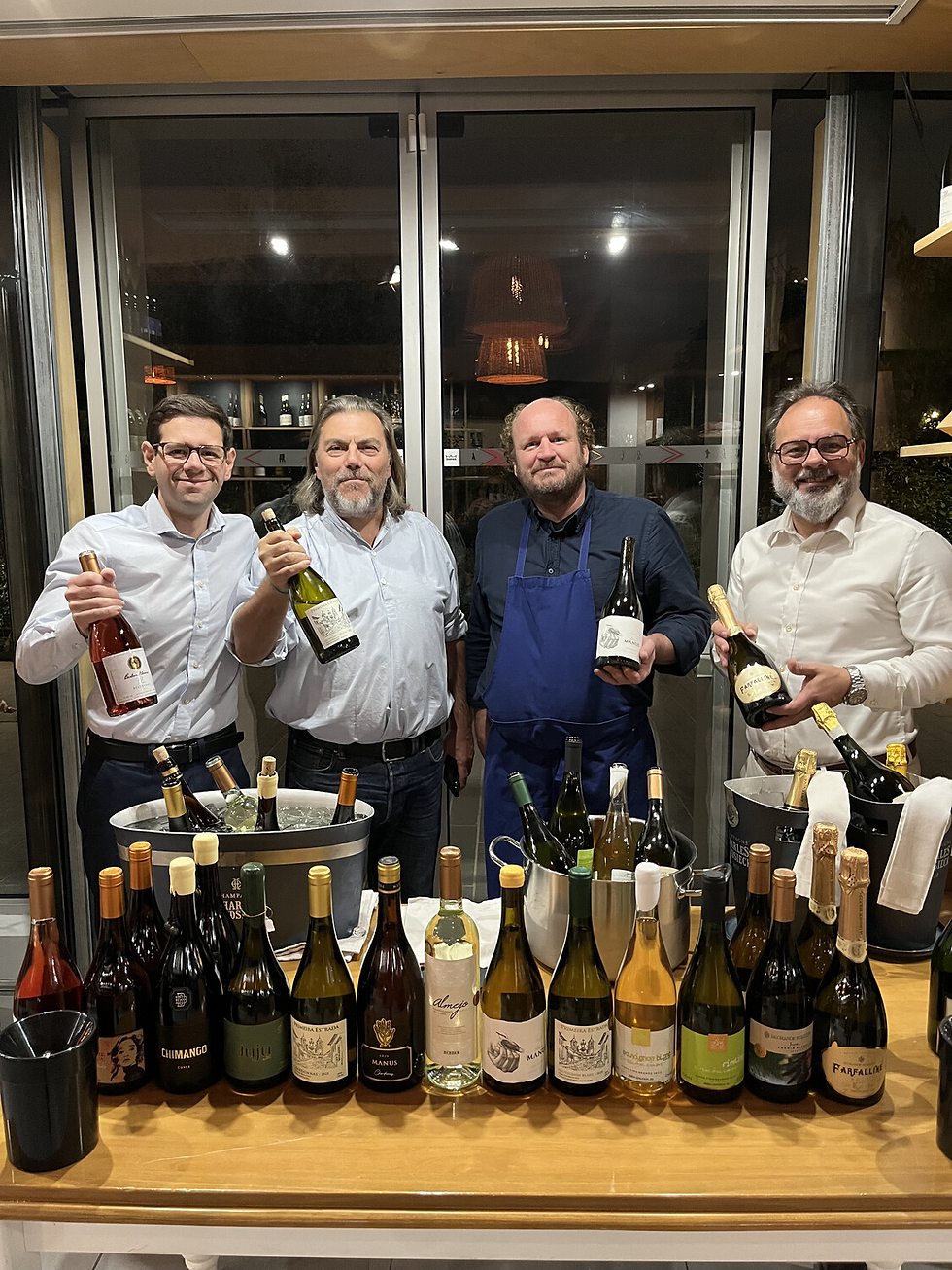
A Project Born From Ambition and Identity
Vin du Brésil emerges at a time when the global wine industry is yearning for novelty. Consumers — particularly in Europe — are increasingly willing to explore wines that challenge longstanding hierarchies. They want new stories, new terroirs, and expressions that push beyond the expected. This openness creates a strategic window for Brazil, a country whose viticulture has evolved rapidly yet quietly over the past decades.
The aim of the project is explicit: to go beyond the “New World” label and present Brazilian wine as a sophisticated, diverse, technically accomplished ecosystem. But achieving this requires more than placing Brazilian bottles on foreign shelves. It demands introducing a worldview — one built upon regional identity, agricultural innovation, and a terroir unlike anything seen in traditional producing nations.
Brazilian Wine: A Silent Giant Ready for Discovery
Brazil is currently the third-largest wine producer in South America and one of the most dynamic viticultural markets in the Southern Hemisphere. Over the last decade, the country has experienced sustained growth in its premium categories, major investments in high-altitude vineyards, and the widespread adoption of advanced winemaking technologies.
Recognition at international competitions, including awards at the Decanter World Wine Awards, continues to reinforce the quality leap that specialists have observed.
Sparkling wines, in particular, have become Brazil’s signature. They are consistently praised for their freshness, acidity, and precision — qualities that allow them to stand alongside, rather than behind, established sparkling wine regions. Yet despite this progress, global awareness remains limited. This is precisely why the French market represents such a strategic entry point.
A Dialogue Between Brazil and France
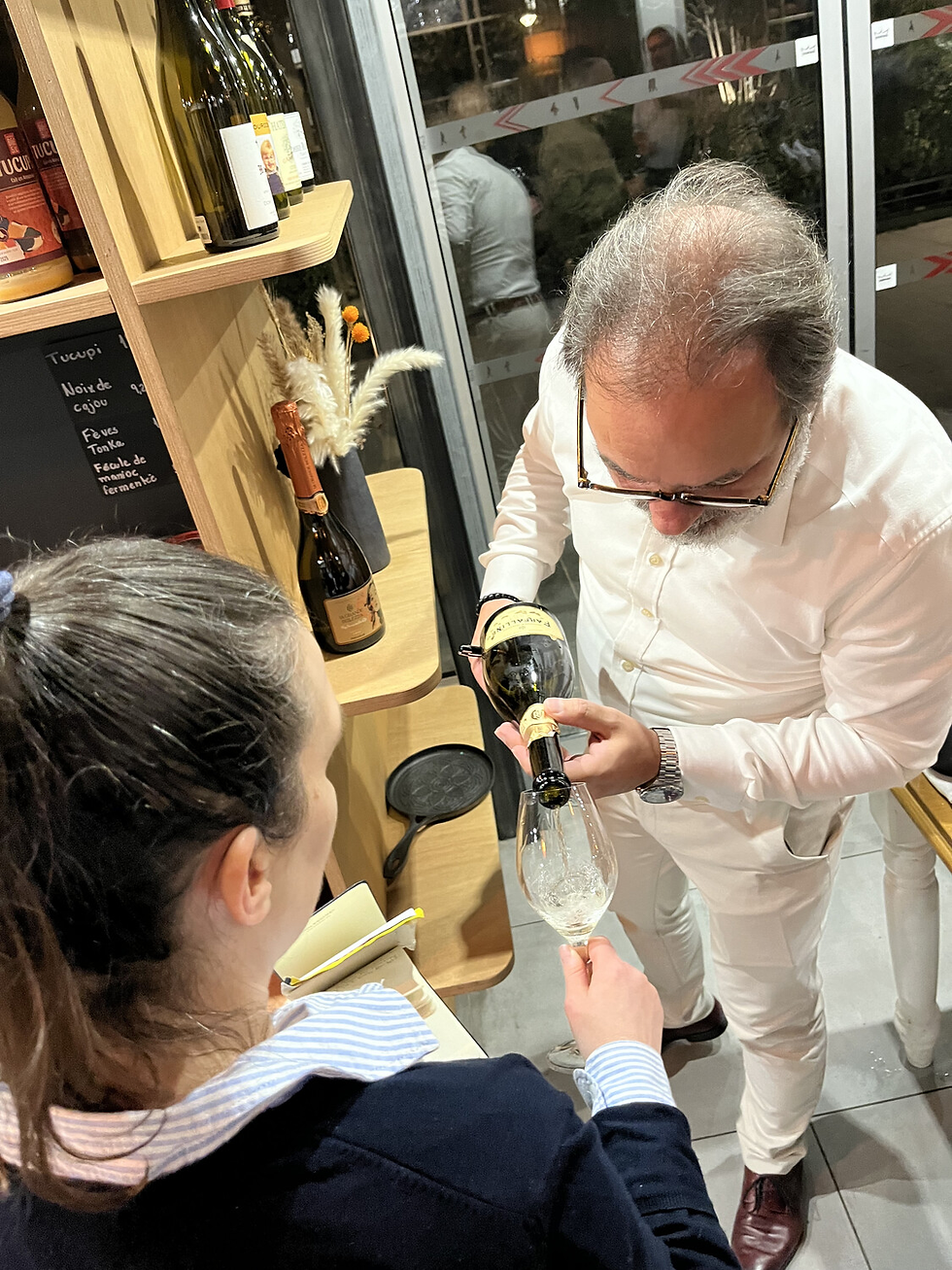
France’s wine culture is legendary, deeply woven into national identity and centuries of tradition. Yet even in France, consumption patterns are changing. Younger consumers are seeking wines that offer surprise, contrast, and narrative depth. Importers and distributors are increasingly attentive to origins that bring authenticity and a sense of discovery without compromising craftsmanship.
This shift creates an opening that aligns naturally with what Brazil offers. Vin du Brésil positions Brazilian wine not as an antagonist to French heritage, but as a complement — a counterpoint shaped by biodiversity, dramatic altitudes, volcanic and basaltic soils, and a climate capable of producing expressive, fruit-driven, elegant wines. Brazilian winemaking also carries the layered cultural influence of European immigrants blended with local creativity and warmth, giving it a personality that feels both familiar and refreshingly unconventional.
"There is an undeniable poetic symmetry in the fact that Brazil once learned winemaking from European immigrants and now returns to Europe not as a student, but as a storyteller with its own voice."
A Unique Terroir the World Has Yet to Taste
Brazil’s wine regions form a geographical mosaic unlike any other. From the basaltic soils of the Serra Gaúcha, where humidity and volcanic geology contribute to naturally vibrant acidity, to the high-altitude vineyards of Santa Catarina, which reach up to 1,300 meters and produce refined cool-climate reds, each region brings its own identity. The São Francisco
Valley stands as one of the world’s rare viticultural anomalies, capable of delivering two harvests per year due to equatorial sunlight and controlled irrigation — a feat that challenges conventional agricultural calendars.
These conditions are not mere marketing material; they are scientific differentiators that allow Brazil to produce wine profiles European consumers cannot find elsewhere. Vin du Brésil seeks to transform this raw advantage into global positioning.

Connecting Cultures Through Wine
Wine is more than agricultural output. It is culture, memory, ritual, and emotion. In France — a place where wine permeates daily life and national identity — the story behind the bottle often matters as much as what is inside it. Vin du Brésil understands this dynamic.
Brazilian wine carries the layered narratives of Italian, German, and Portuguese immigrants, but also the imprint of Indigenous influence, tropical creativity, and a cultural ease that stands in contrast to the formality traditionally associated with European wine. The result is a sensorial and emotional profile built around celebration, warmth, and diversity — traits that the world already associates with Brazil.
"This shared emotional connection to food, land, festivity, and identity makes the cultural bridge between Brazil and France particularly powerful."
The Opportunity Ahead
If Brazil succeeds in positioning itself globally — especially within discerning markets such as France — it will not be because it mimicked traditional wine countries. It will be because it embraced what makes it distinctly Brazilian.
Vin du Brésil serves as a bridge between continents, winemaking heritages, climates, terroirs, and consumer expectations. Its purpose extends beyond exporting bottles; it seeks to export perspective. It invites the world to see Brazil as a reference in innovation-driven, terroir-forward winemaking — not as an emerging player imitating European structures, but as a country contributing something genuinely original.
"The global wine narrative is expanding. Its borders are shifting, and new voices are being welcomed. For the first time, Brazil no longer stands at the periphery of that conversation."
With Vin du Brésil, it steps confidently into the center.


Comments